Gas Stove Safety: Warning Signs You Shouldn't Ignore
Gas hobs, cookers, and ovens are popular choice in kitchens due to their instant heat control and cooking speed. However, because gas appliances utilize flammable natural gas or LPG, they require careful monitoring and regular maintenance to ensure absolute safety. Overlooking small faults can lead to gas leaks, incomplete combustion, or carbon monoxide hazards.
Here are the key warning signs that indicate your gas stove is malfunctioning and requires professional attention.
1. A Yellow or Orange Flame Instead of Blue
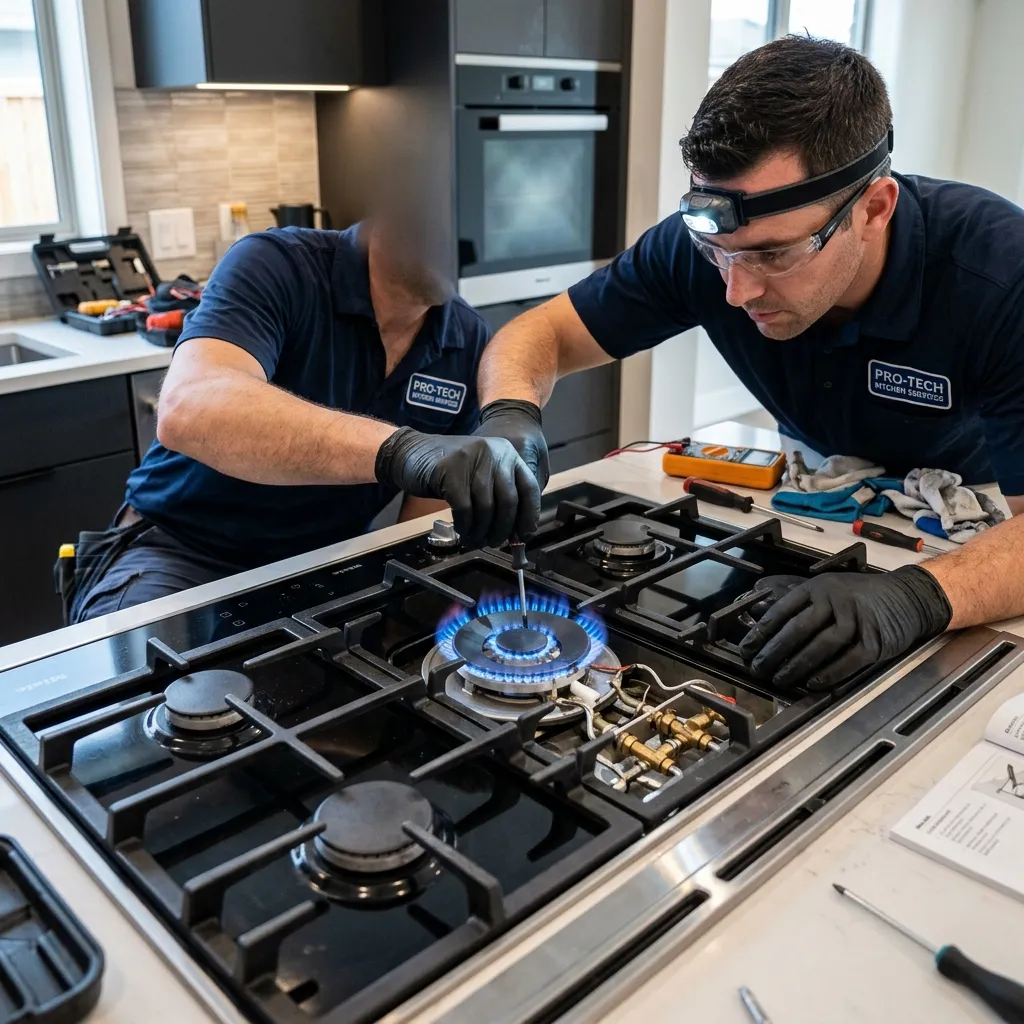
A properly adjusted gas burner should produce a steady, crisp blue flame, possibly with a light blue tip. A blue flame indicates complete combustion, meaning the gas is burning cleanly and efficiently with the correct air-to-gas ratio.
The Hazard: A persistent yellow, orange, or flickering flame is a sign of incomplete combustion. This means the gas is not burning fully, which can release dangerous amounts of carbon monoxide (CO)—an odourless, colourless, and highly toxic gas. It can also produce black soot that coats the bottom of your pans. The cause is usually blocked burner ports, dust buildup, or an incorrect air shutter adjustment.
What to do: Clean the burner heads thoroughly using a pin to clear the tiny holes. If the flame remains yellow after cleaning, do not use the burner. Call a certified technician to adjust the gas pressure and air mixture.
2. A Persistent Gas Smell (Rotten Eggs)
Utility companies add a chemical called mercaptan to natural gas and LPG, giving it a distinctive "rotten egg" or sulfur-like smell. This ensures that even tiny leaks can be detected by nose.
The Hazard: A gas smell when your stove burners are switched off indicates a leak in the supply lines, gas valves, or burner connections. This is an immediate fire and explosion risk.
What to do: If the smell is strong, do not turn on any light switches, plug in appliances, or light matches (as electrical sparks can ignite the gas). Evacuate the house, shut off the main gas valve (usually located behind the stove or near the gas cylinder), and call your gas provider or emergency services from outside the home.
3. Burner Clicking Repeatedly Without Lighting
Modern gas stoves use electric spark igniters to light the burners. If you hear the rapid clicking sound but the burner fails to ignite, or if it continues to click even after the flame is lit, there is a component fault.
The Hazard: Gas is entering your kitchen while the burner fails to light, which can create a pocket of gas that may ignite suddenly once a spark finally catches. The issue is usually caused by spilled food or moisture clogging the spark electrode, a misaligned igniter, or a faulty spark module.
What to do: Turn off the burner control knob immediately. Allow the gas to dissipate for a few minutes. Clean around the igniter electrode using a dry toothbrush and ensure it is completely dry before attempting to light it again. If it continues to click or fails to light, the ignition switch or wire may need professional replacement.
4. Weak or Uneven Flame Distribution
If the flame only lights on one side of the burner, or if some ports remain unlit, the burner head is obstructed.
The Hazard: Uneven heating can lead to poor cooking results, but it also means unburned gas may be escaping from the unlit ports. This is commonly caused by food boil-overs, grease accumulation, or cleaning water trapped inside the burner head.
What to do: Remove the burner cap and burner head (after they have cooled down completely). Clean the ports with a stiff brush or a sewing needle. Never use toothpicks, as wood can break off inside the ports and create a permanent blockage. Dry the parts completely in a warm oven or under a towel before putting them back.
5. Delayed Ignition (A "Poof" Sound)
Delayed ignition occurs when the burner does not light immediately upon turning the gas knob, but ignites a few seconds later with a sudden "poof" sound or a small flash of flame.
The Hazard: This indicates that gas is accumulating around the burner before the igniter sparks. When it finally ignites, the burst can cause burns or singe cabinets. It is usually caused by dirty burner ports near the igniter, weak spark ignition, or low gas pressure.
What to do: Stop using the burner and call a certified technician to inspect the gas pressure regulator and clean/align the ignition electrodes.
Expert Technician
Certified Lead Technician
Our certified technicians bring years of hands-on experience dealing with all major appliance brands in Dubai. Their guides are written to help you maintain your appliances and recognize when professional help is needed.