How to Optimize Your Refrigerator's Energy Efficiency
Refrigerators are unique among household appliances: they run 24 hours a day, 365 days a year. This constant operation means that even minor inefficiencies can quickly add up to significant increases in your home electricity bill. In our years of servicing premium cooling brands like Miele, Bosch, Siemens, LG, and Samsung, we have found that simple maintenance routines can reduce a refrigerator's energy usage by up to 20% while extending its lifespan.
Here is a guide to keeping your refrigerator running at peak efficiency, preventing cooling malfunctions, and lowering your utility costs.
1. Clean the Condenser Coils Regularly
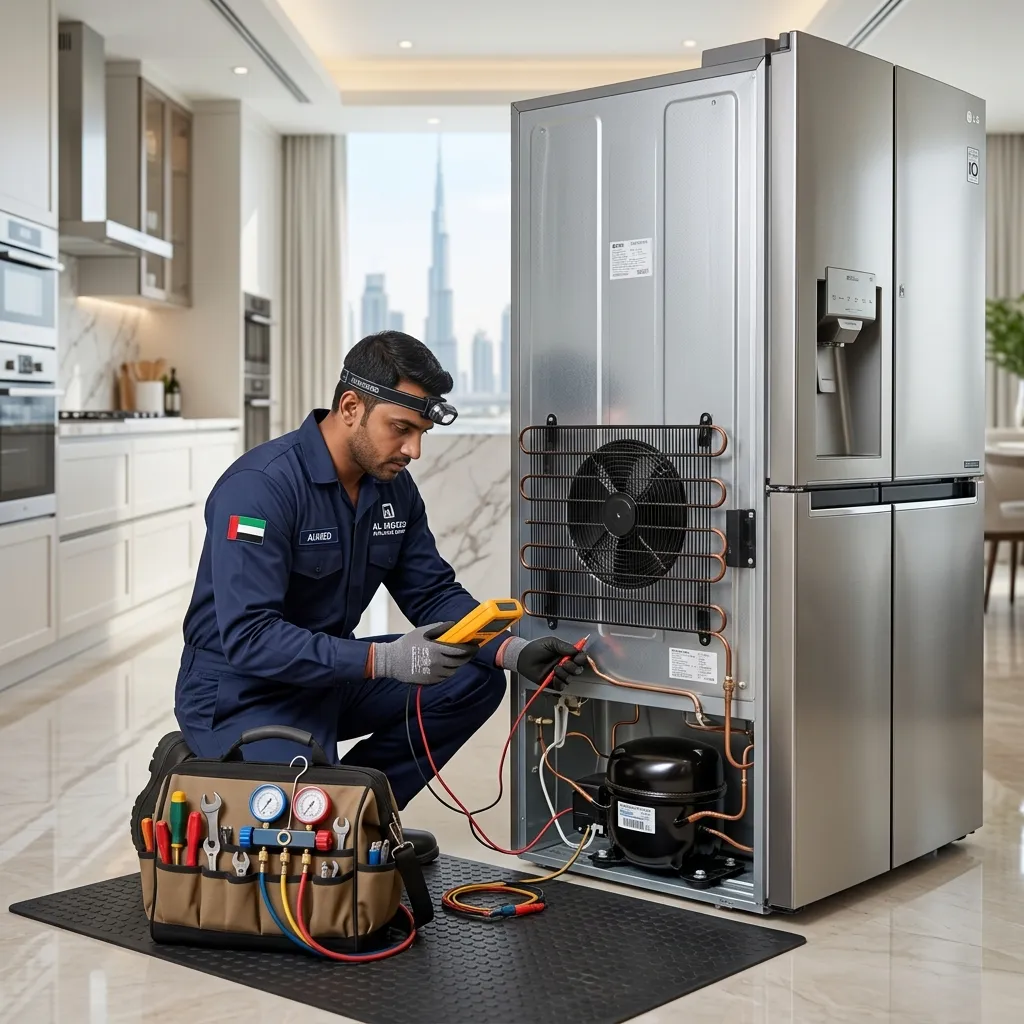
Condenser coils release the heat removed from inside the refrigerator. Over time, these coils (located at the back or underneath the unit behind a kickplate) accumulate dust, pet hair, and lint. This dust acts as an insulating blanket, forcing the compressor to work harder and run longer to keep your food cold.
The Fix: Unplug the refrigerator and pull it away from the wall. Locate the coils. Use a narrow vacuum cleaner attachment or a specialized coil brush to gently remove dust, cobwebs, and dirt from the coils. Perform this simple maintenance task once every 6 months (or every 3 months if you have shedding pets) to optimize cooling and reduce compressor strain.
2. Inspect and Clean the Magnetic Door Gaskets
The magnetic rubber door seals (gaskets) keep warm ambient room air out and cold air in. If the gaskets are cracked, warped, dirty, or lose their magnetic pull, cold air will constantly escape. The refrigerator will detect this temperature rise and run the cooling system continuously, wasting electricity and shortening the compressor's life.
The Fix: Inspect the seals for visible signs of damage, mould, or wear. Perform the "dollar bill test": slide a dollar bill or a piece of paper halfway into the door, close it, and pull. If it slides out with zero resistance, your gasket is not sealing properly. Clean the gasket with warm soapy water (avoid harsh chemicals) and apply a thin layer of petroleum jelly to keep the rubber pliable. If it is torn or cracked, replace it immediately.
3. Maintain the Optimal Temperature Settings
Setting your refrigerator or freezer temperatures lower than necessary is a common cause of energy waste. Every degree lower increases power consumption significantly without providing additional preservation benefits.
The Fix: Keep your refrigerator compartment set between 3°C and 4°C (37°F to 40°F) and the freezer compartment at -18°C (0°F). Use a standalone appliance thermometer to verify the actual internal temperatures, as built-in digital displays can sometimes lose calibration over time.
4. Don't Overfill or Leave the Fridge Empty
Thermal mass plays a critical role in refrigerator efficiency. Items inside the fridge absorb and hold the cold. When you open the door, these cold items help keep the internal air temperature from rising. However, if you pack the fridge completely full, you block the internal air vents, preventing the cold air from circulating evenly. This forces the compressor to run longer to maintain consistent temperatures.
The Fix: Keep your refrigerator about 70% to 80% full. This provides enough thermal mass to stabilize temperatures while leaving adequate space for air circulation. If your fridge is mostly empty, place bottles of water inside to act as cold storage banks and reduce cycling times.
5. Let Hot Food Cool Before Storing
Placing hot leftovers directly into the refrigerator introduces heat and moisture into the sealed cabinet. This raises the internal temperature, causing the compressor to kick in immediately, and creates condensation that leads to frost buildup on the evaporator coils.
The Fix: Allow hot food to cool down to room temperature on your counter (for no more than 2 hours to ensure food safety) before sealing it in containers and placing it inside the refrigerator.
Expert Technician
Certified Lead Technician
Our certified technicians bring years of hands-on experience dealing with all major appliance brands in Dubai. Their guides are written to help you maintain your appliances and recognize when professional help is needed.